
A Beginner's Guide to Cooking Mussels at Home
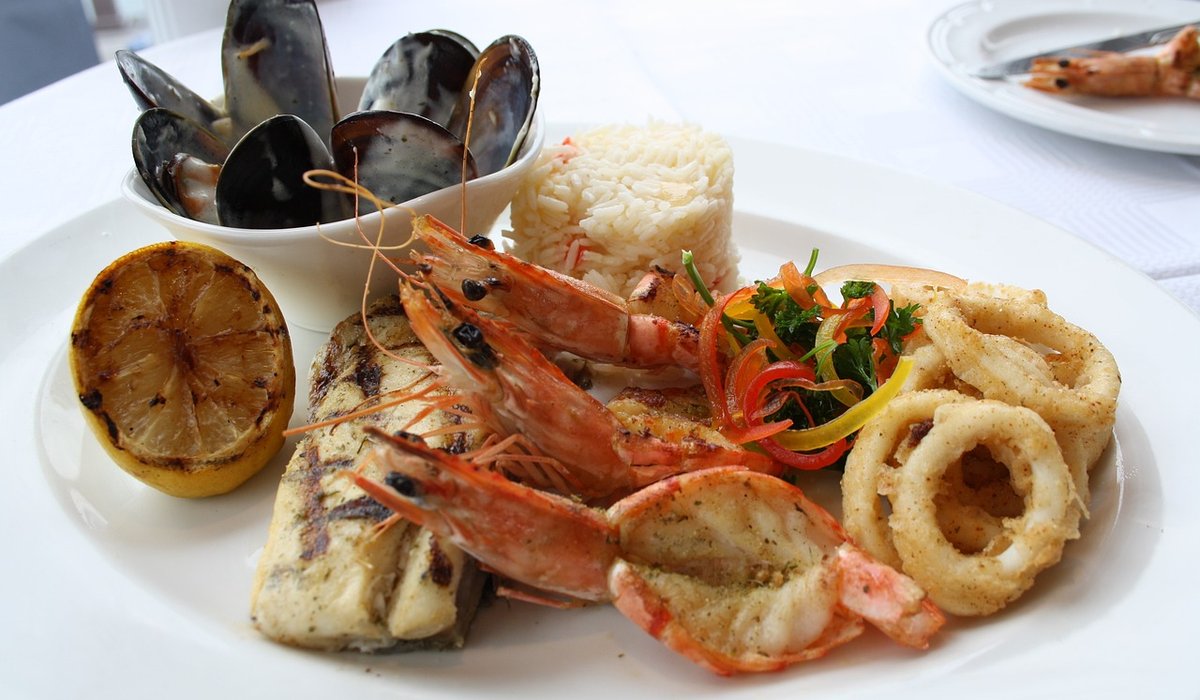
Why Mussels Belong in Your Weeknight Rotation
For a nation wrapped in cold, clean water, we are strangely timid about cooking shellfish at home. Plenty of British cooks will happily roast a chicken but hesitate over a net of mussels, as though shellfish were something best left to restaurant kitchens with their stainless steel and their briny glamour. The truth is the opposite. A kilo of mussels costs roughly the price of a modest piece of white fish, takes about ten minutes from bag to bowl, and tastes so unmistakably of the coast that you wonder why we don't eat them every week.
Britain grows some of the finest mussels in Europe. Scottish rope-grown mussels from the sea lochs are plump and clean; Welsh mussels from the Menai Strait have been harvested since Roman times; the River Teign in Devon and the tidal waters of the Conwy have supplied them for centuries. Buying a bag of them is about as patriotic as supper gets, and steaming them with garlic, white wine and parsley is the simplest way in.
Buying Mussels: What to Look For
A good fishmonger will sell you mussels already cleaned and graded, and that is money well spent for a first attempt. If you are buying from a counter or a market stall, run through a few simple checks.
- Smell: they should smell of cold sea and nothing else. A sour or ammonia-like tang means walk away.
- Shells: closed, or closing when you tap them firmly. Intact, not cracked or crazed.
- Weight: they should feel heavy for their size, a sign the flesh is plump and alive.
- Rope-grown: usually cleaner and less gritty than bottom-grown, with fewer barnacles to scrape.
Buy them the day you plan to cook them if you can. Otherwise, keep them in the fridge in a bowl under a damp cloth or tea towel — never sealed in a plastic bag, where they will suffocate and die.
Cleaning and Preparing
Tip the mussels into a colander and rinse under cold running water. Scrape off any barnacles or mud with the back of a small knife, and pull away the wiry little "beard" that pokes out of the shell — grip it and tug towards the hinge. Don't yank too hard; a bit of resistance is normal, and a beard that won't budge usually means the mussel is dead.
Now the tap test. Tap each shell sharply on the side of the sink. Anything that stays open gets discarded, because it is dead and no longer safe. Anything with a broken shell also goes. Finally, before cooking, add a splash of cold water with a spoonful of plain flour and leave them for half an hour if you are worried about grit; they filter it out. Some cooks swear by the flour trick, others call it folklore. It costs nothing.
The Classic: Garlic, White Wine and Parsley
This is the version that tastes of a harbour-side pub on a grey afternoon. It serves four as a starter or two hungry people as a main, with bread.
- 1kg fresh mussels, cleaned
- 2 tbsp olive oil
- 1 small onion or 2 shallots, finely chopped
- 3 garlic cloves, sliced thin
- 150ml dry white wine — Muscadet, Picpoul, anything crisp
- 30g cold butter, cubed
- A large handful of flat-leaf parsley, chopped
- Black pepper, and lemon to serve
Use your largest pan with a tight-fitting lid — a wide sauté pan is ideal, because the mussels need room to open. Heat the oil over a medium flame and soften the onion for four or five minutes without colouring it. Add the garlic and cook for one minute more, just until fragrant. Pour in the wine and let it bubble hard for a minute to burn off the raw alcohol.
Tip in all the mussels at once and clamp on the lid. Turn the heat to high and set a timer for four minutes. Give the pan a firm shake after two, holding the lid down. Steam is what cooks them; peeking releases it, so resist.
At four minutes, lift the lid. The shells should be wide open and the air should smell of wine, garlic and the sea. Drop in the cold butter and swirl it through the liquor to thicken it slightly, then scatter in the parsley and a generous grind of pepper. Discard any mussels that are still shut — no amount of extra cooking will open them safely.
Serve straight from the pan with the cooking liquor spooned over, lemon halves on the side, and plenty of bread to mop up with.
Variations Worth Trying
Once the method is yours, the flavour is endlessly adaptable.
- Cider and cream: swap the wine for dry cider and stir in two tablespoons of double cream with the butter. Very West Country.
- Tomato and chilli: add a chopped red chilli with the garlic and a handful of cherry tomatoes, halved, before the wine.
- Smoked bacon: fry lardons until crisp, then build the dish in the same pan. The salty fat does half the seasoning for you.
- Curry cream: a teaspoon of curry powder with the onion, cream at the end. A Scottish chip-shop classic.
On the side, chips are traditional and correct, but a hunk of sourdough is faster and arguably better. A dry, mineral white is the obvious drink; a bitter or a dry cider works just as well.
If Something Goes Wrong
Rubbery mussels usually mean overcooked — five minutes is plenty, and smaller ones need less. Sandy liquor means you skipped the rinsing stage; next time, soak and rinse twice. If a pan smells of ammonia when it hits the heat, stop and throw everything out, however much it cost. And if you have cooked far too many, shell the leftovers, keep the liquor, and reheat both gently the next day with a splash of cream and a pinch of saffron for a rough and very good soup.
Start with a kilo, a bottle of something dry, and a loaf. You will wonder why you waited.

4 Comments