
Exploring Small Harbour Towns on the British Coast
Why small harbours suit a slow weekend
Britain’s coast is not short of grand resorts, but the small harbour towns reward a different kind of trip. These are working places first and visitor destinations second, which is exactly what makes them so appealing. You can watch a fishing boat unload while a baker pulls bread from the oven, then walk ten minutes and be on a clifftop path with nothing but gulls for company. The pace is gentle, the scale is human, and the best discoveries are often unplanned.
A weekend is enough. Arrive on Friday afternoon, leave on Sunday after a long breakfast, and you will have time to do very little in a deeply satisfying way. Spring and autumn are especially good: the light is softer, the car parks are quieter, and the pubs have fires lit. In high summer, book accommodation well ahead and expect the quayside to be busy between eleven and three. Outside those hours, even popular towns such as Whitby, Fowey, Southwold and Tenby feel surprisingly calm.
What to look for on the quayside
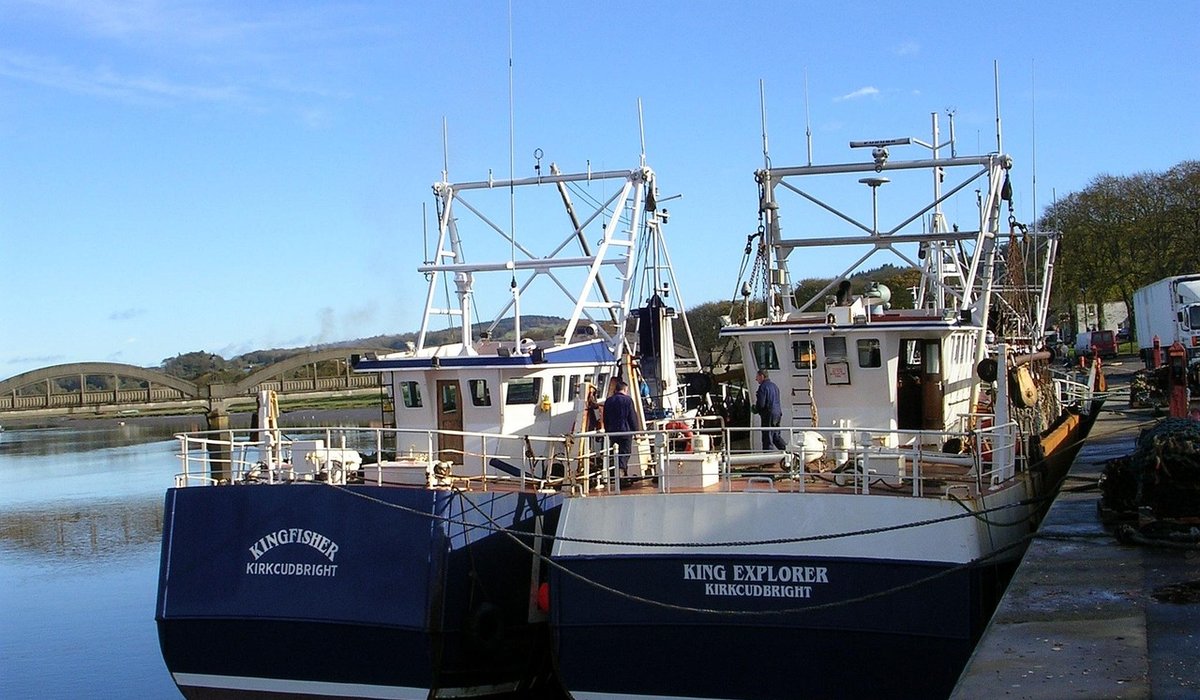
The quayside is the heart of these towns, and it tells you what kind of place you have found. Look for signs of real life: nets drying on the wall, a hand-painted notice for fresh crab, a chandlery selling shackles and sea boots rather than souvenir tea towels. The best harbour towns have a useful high street just behind the water, with independent shops that serve locals first and visitors second.
- A fishmonger with a chalkboard listing today’s catch, not a freezer full of anonymous fillets.
- A bakery selling regional specialities: saffron buns in Cornwall, lardy cake in Suffolk, oatcakes in Fife.
- A second-hand bookshop or a proper hardware shop, the kind that sells one nail or a whole dinghy repair kit.
- A pub with a view of the masts, where the conversation is as likely to be about tides as football.
- A harbour wall you can walk along, with a slipway, a lifeboat station and a few creels stacked nearby.
If a town has all five, stay longer than you planned. If it has none, drive on. You will know within ten minutes.
A gentle itinerary: Friday to Sunday
Friday afternoon: park once, near the harbour if you can, and leave the car there for the weekend. Check the tide times straight away, because they shape everything from ferry crossings to when the boats return. Walk the quay, find the fishmonger, and book a table for Saturday night. Friday evening is for a pint and an early supper: fish pie, a bowl of mussels, or simply bread, cheese and a dressed crab from the deli.
Saturday morning: visit the market if there is one. Many small harbours hold a weekly market on the quay or in the town hall, selling everything from local honey to hand-knitted ganseys. Then take a coastal path in one direction and a ferry in the other. In Fowey, walk to Polruan and return by boat. In Southwold, take the foot ferry to Walberswick. In Crail, follow the Fife Coastal Path towards Anstruther. Keep it to three or four miles; this is not a hiking weekend.
Saturday afternoon: visit the smallest museum you can find, then have tea and cake. Saturday evening: eat seafood you did not have to cook. Sunday morning: a slow breakfast, a final harbour walk, and home before the traffic builds. That is the whole art of it.
Seafood, bakeries and the best kind of lunch
Coastal food is at its best when it is simple and local. Look for chalkboard menus, not laminated picture menus. Order crab if it was picked that morning, haddock if it is landed locally, and mussels if there is a rope-grown bed nearby. Kippers, smoked mackerel and shellfish are all worth seeking out. In Cornwall and Pembrokeshire, expect excellent crab sandwiches. In North Yorkshire, haddock and chips are a serious business. In Scotland, look for langoustines, scallops and smoked salmon.
The best lunch is often a picnic. Buy a dressed crab, a loaf of sourdough, a bag of salad and a lemon, then sit on the harbour wall and watch the tide. If the weather turns, retreat to a pub with a window seat. Fish and chips are a reliable fallback, but the real pleasure is eating something that was in the sea that morning. Ask the fishmonger what is best, and take their advice.
Maritime history without the museum fatigue
You do not need to spend hours in a museum to understand these towns. The history is in the fabric of the place: capstans worn smooth by rope, a customs house with a weathered sign, a lifeboat station with a launch ramp, a sail loft converted into flats. Read the information boards on the quay. Look at the names on the war memorial. Notice how the streets bend away from the sea to shelter from prevailing winds.
Small harbour museums are often excellent because they are run by people who actually know the boats. You might learn about herring girls following the fleet down the east coast, smugglers using hidden coves, or shipyards that once launched schooners. Keep it to an hour. Then go back outside, where the real exhibit is still working.
Practicalities: tides, trains and timing
Check tide tables before you plan your day. A beach that is perfect at low water can vanish by mid-afternoon, and a ferry that runs at high tide may not run at all. Wear shoes with grip; harbour walls and slipways are slippery even when dry. Carry a waterproof, because coastal weather changes faster than inland forecasts suggest.
- Many harbour towns have a railway station within walking distance, often on a scenic branch line. Use it if you can.
- Park once and walk. Quayside parking is limited and often restricted to boats and permit holders.
- Book restaurants ahead for Friday and Saturday nights, especially in summer.
- Carry cash for small shops, honesty boxes and ferry fares.
- Avoid bank holiday weekends if you want the quiet version of the town.
The reward for this small amount of planning is a weekend that feels slower, saltier and more real than a conventional seaside break. Find a harbour, watch the water, and let the tide set the timetable.

4 Comments