
Planning a Gentle Coastal Walk for All Ages
Why a gentle coastal walk works for every generation
Britain’s coastline is made for slow enjoyment. A gentle walk beside the sea gives children space to run, grandparents a chance to amble, and everyone else a reason to stop, breathe and look out at the water. The secret is not to aim for a dramatic cliff-top challenge. Instead, choose a flat route with plenty of interest: a promenade, a harbour wall, a level path beside a estuary, or a short loop around a sandy bay. You want sea air, wide skies and the promise of something good to eat at the end. For a mixed-age group, comfort matters more than distance. A mile with benches, toilets and a café within reach will beat a five-mile march every time.
Choosing a flat, forgiving route
Start by looking at the surface and the gradient, not just the view. Many seaside towns have excellent level paths that suit pushchairs, wheelchairs and unsteady knees. Old railway lines that meet the coast are often ideal, as they were built to be gentle. So are promenades, sea walls and harbour quays, where you can turn back at any point without feeling stranded.
- Promenades and sea walls: usually paved, with railings, benches and ice-cream kiosks at regular intervals.
- Former railway paths: wide, firm and almost flat, often running beside marshes, estuaries or dunes.
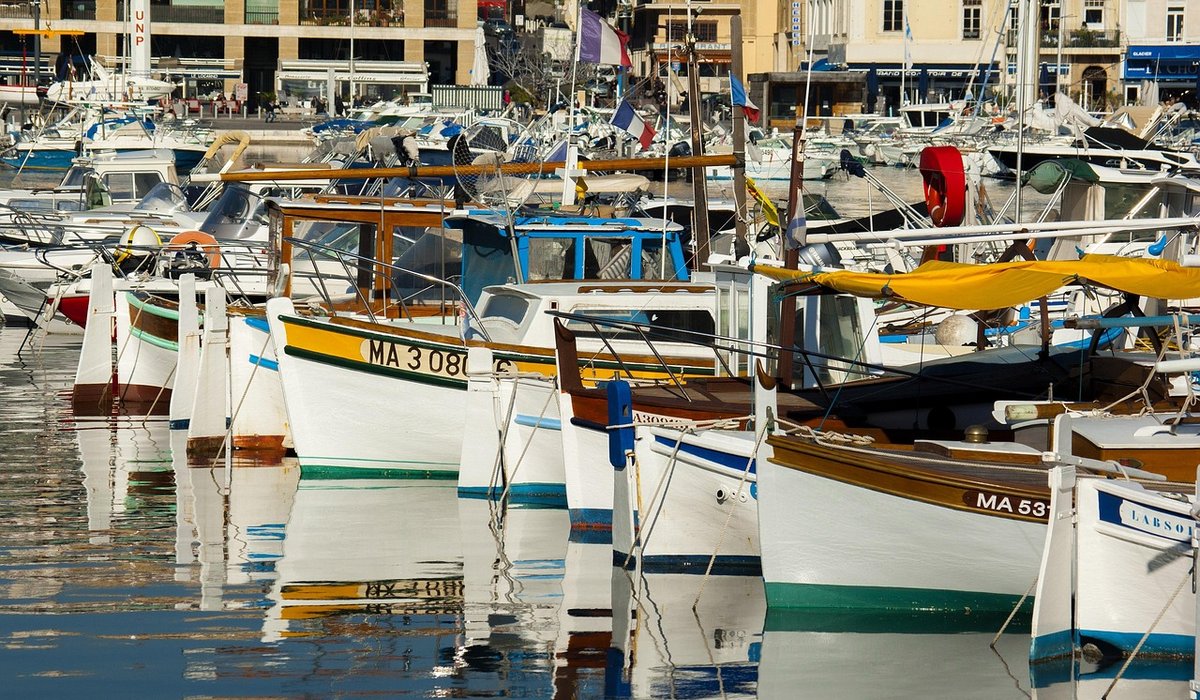
- Harbour and quay loops: short, sociable and full of boats, ropes and bobbing buoys to spot.
- Country parks by the sea: often have accessible trails, picnic tables and toilets, plus a café for backup.
Check the surface in advance if you can. Soft sand, loose shingle and steep steps are hard work for small legs and older hips. A firm path or boardwalk is much kinder. Also look for a route with a short option: a half-mile out-and-back is perfect for a first outing, and you can always extend it next time.
Reading the tide and the weather
Tide times are not optional on the coast. A beach that looks vast at low water can be cut off within hours, and estuaries fill quickly. Plan to walk on a falling tide, ideally within two hours either side of low water, and always know where the higher ground and exit paths are. If you are unsure, ask at a local shop, café or harbour office. A tide timetable is a practical tool, not a sign of caution.
British weather changes fast, especially by the sea. A warm morning can turn into a cool, breezy afternoon, and sea fret can roll in within minutes. Check the forecast for wind as well as rain. A stiff onshore breeze makes a flat walk feel much colder, particularly for children and anyone who feels the chill. If the wind is strong, choose a sheltered route behind dunes or along a harbour rather than an exposed pier.
Packing layers and practical kit
Even in July, coastal layers are wise. The aim is to add or remove thin layers as you move, so nobody overheats or shivers. Dress everyone in comfortable, broken-in footwear with a bit of grip. Flip-flops and smooth-soled fashion trainers are fine for the café, but not for wet rocks or slippery sea walls.
- Base layer: a light, breathable T-shirt or long-sleeved top.
- Mid layer: a fleece or thin jumper for when the breeze picks up.
- Outer layer: a packable waterproof jacket with a hood.
- Footwear: trainers or walking shoes with tread; sandals only for firm, dry paths.
- Extras: sun hats, sunscreen, a flask, water bottles, a small rucksack and a lightweight picnic blanket.
A few small comforts make a big difference: a folded carrier bag for wet shells, a spare pair of socks for children, and a simple first-aid kit with plasters. If grandparents use walking sticks, bring them. A stick with a rubber tip is useful on smooth promenades and uneven quays.
Food along the way: coastal classics to share
British coastal food is one of the great pleasures of a seaside walk. You do not need a fancy restaurant. A harbour café, a proper pub or a picnic bench with a view is often better. Fish and chips eaten from the paper, with plenty of vinegar and a wooden fork, tastes best within sight of the boats. Crab sandwiches, Cornish pasties, Norfolk mussels, Whitby crab, oysters, cockles and whelks all belong to the coastline, and many places sell small portions that suit mixed appetites.
- Harbour cafés: look for chalkboards, daily catches and a queue of locals.
- Proper pubs: ideal for a sit-down lunch, with chips, soup and a warm corner if it rains.
- Picnics: pack bread, cheese, fruit, a flask of tea and something sweet to share.
- Sweet treats: ice cream, fudge, rock and freshly made doughnuts are part of the ritual.
Share where you can. A single portion of chips between two children, or a pasty cut into quarters, keeps everyone happy without weighing you down. If you are walking with grandparents, a mid-morning coffee stop and an early lunch will keep energy levels steady.
Keeping children and grandparents happy
Children need a mission. Rock pooling, shell hunting, boat spotting or a simple scavenger hunt turns a walk into an adventure. Give them a small bucket and a list: find a limpet, a crab claw, a piece of sea glass, a feather. Grandparents often prefer a slower pace, regular benches and a clear plan for the return. Build in a sit-down every twenty minutes, and do not save all the interesting stops for the end.
Plan a short loop with a clear turning point, such as a pier, a pub or a beach hut. That way, anyone who wants to stop can wait with a view while others walk a little further. Finish with a shared pot of tea, a cone of ice cream or a plate of chips. The best coastal walks are not about covering ground. They are about time together, salt air and the small, delicious pleasures of the British seaside.

4 Comments